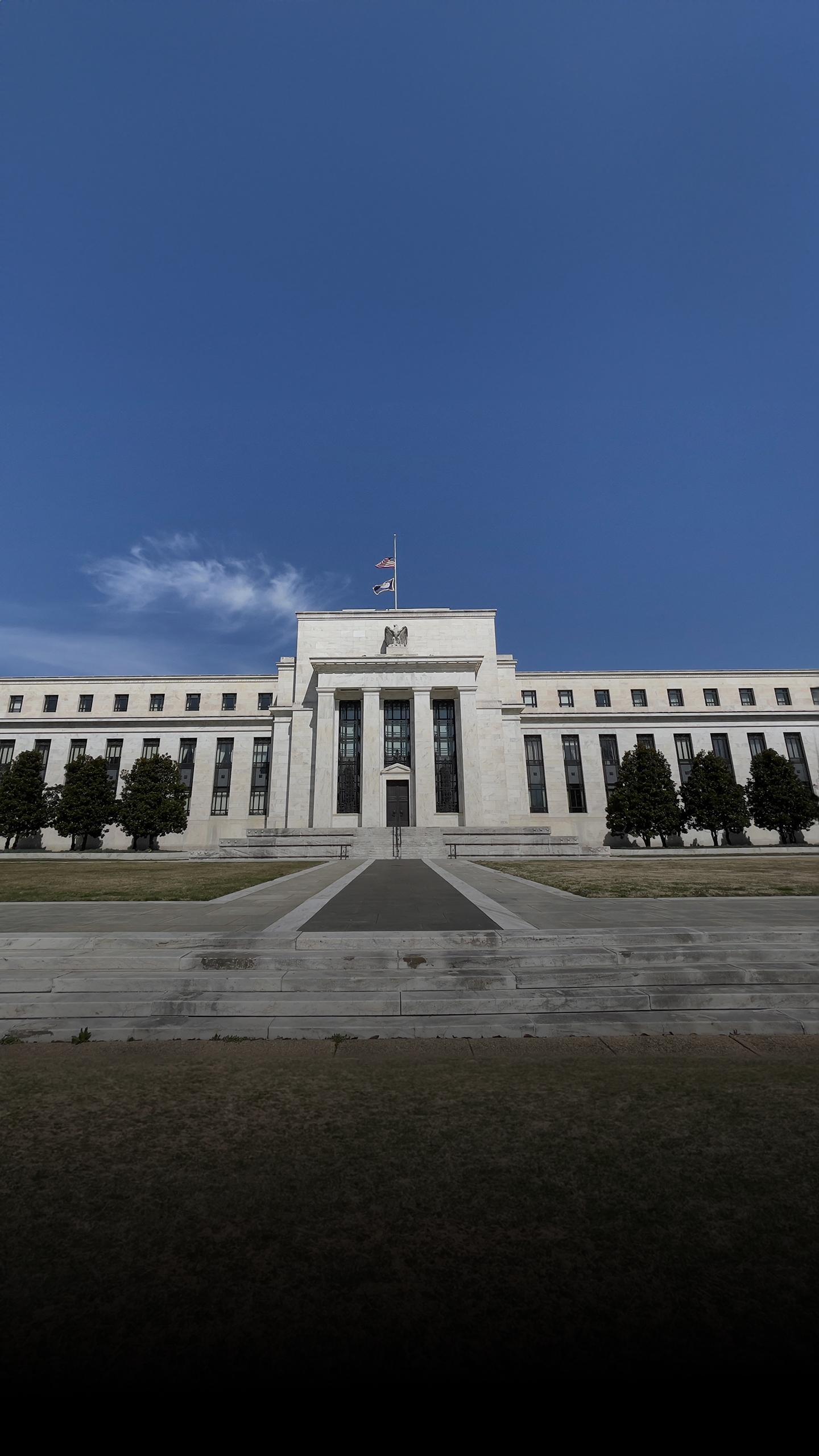
Federal Reserve Chair Kevin Warsh Faces Rate-Hike Dilemma Amid Tech Stock Selloff

What's Happening?
Federal Reserve Chair Kevin Warsh is confronting a significant policy challenge as the central bank approaches its December 8-9 meeting. A sharp selloff in technology stocks has created a dilemma regarding
the appropriate path for interest rates. While markets generally anticipate another rate increase, the recent decline in asset prices, particularly in the tech sector, is prompting debate among policymakers. The core issue is whether the Federal Reserve should proceed with further tightening to combat inflation or consider the impact of weakening asset prices, which can themselves contribute to tighter financial conditions. This situation mirrors a similar market decline in 2018, during which Warsh advocated for a pause in the tightening campaign, highlighting the ongoing tension between inflation control and market stability.
Why It's Important?
This situation is critical for the U.S. economy as the Federal Reserve's decision will directly influence financial markets and broader economic conditions. A rate hike could further cool an overheating economy and curb inflation, but it risks exacerbating the current market downturn, especially in the technology sector, which has been a significant driver of economic growth. Conversely, pausing rate increases might signal a greater concern for market stability, potentially reassuring investors but also raising questions about the Fed's commitment to its inflation-fighting mandate. Businesses, particularly those in the tech industry, stand to lose from continued tightening, as higher interest rates can increase borrowing costs and reduce investment. Investors are closely watching for signals on how the Fed will balance these competing priorities, as the outcome will affect portfolio valuations and future investment strategies.
What's Next?
The immediate next step is the Federal Reserve's December 8-9 meeting, where policymakers will decide on the next interest rate adjustment. The outcome will reveal how Chair Warsh and the Federal Reserve weigh the impact of weaker asset prices against the need for further monetary tightening. Market participants will be scrutinizing the Fed's statement for any indications of future policy direction and its assessment of economic conditions. Reactions from major stakeholders, including investors, corporations, and economists, are expected to be swift, potentially leading to further market volatility depending on the decision. The meeting will also test the Federal Reserve's communication strategy as it navigates a complex economic landscape with conflicting signals.
Beyond the Headlines
Beyond the immediate rate decision, this dilemma highlights a deeper challenge for central banks: how to effectively manage monetary policy in an era where asset prices play an increasingly significant role in financial conditions. The debate over whether to prioritize inflation control or market stability reflects a fundamental tension in modern economic policy. It also raises questions about the Federal Reserve's independence and its responsiveness to market signals versus its mandate to maintain price stability and maximum employment. The long-term implications could include a re-evaluation of how central banks incorporate asset market dynamics into their policy frameworks, potentially leading to more nuanced approaches to monetary tightening in the future. The current situation also underscores the interconnectedness of technology stocks with the broader economy, making their performance a key indicator for policymakers.