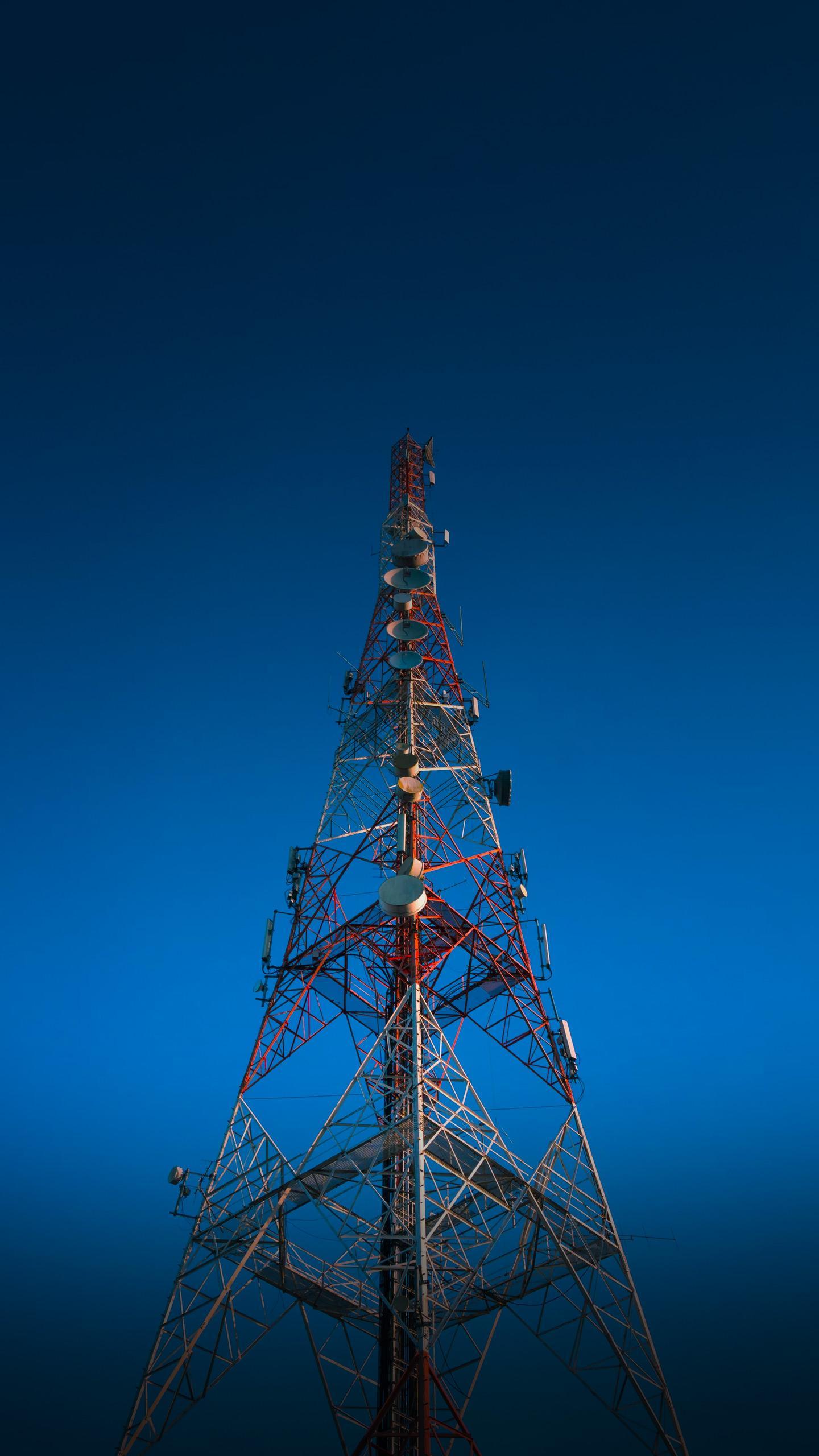
U.S. EXIM Bank Provides $99.6 Million Loan to Africell for Angolan Telecommunications Expansion

What's Happening?
The Export-Import Bank of the United States (EXIM) has approved a $99.6 million direct loan to Africell, a U.S.-owned mobile network operator, to fund telecommunications infrastructure development in Angola.
This financing aims to bolster Africell's operations and enhance connectivity within the country. The loan will facilitate the acquisition of advanced American and European mobile network technology, which is expected to improve network coverage, service reliability, and competition in Angola's telecommunications market. Africell, which operates in several African nations including Angola, the Democratic Republic of Congo, Sierra Leone, and The Gambia, views this investment as an opportunity to expand its presence and introduce more American technology into the African telecommunications sector. The U.S. Embassy in Angola has welcomed the financing, highlighting it as a partnership beneficial to both countries, promoting American technology and a more connected Angola.
Why It's Important?
This EXIM Bank loan is significant as it aligns with the U.S. government's mandate to promote American exports and support U.S. businesses in international markets. By financing Africell's expansion, EXIM is helping to create opportunities for American technology companies and potentially supporting American jobs. The investment in Angola's telecommunications infrastructure is also crucial for the country's development, promising broader mobile coverage, more reliable services, and increased competition. Furthermore, the use of American telecommunications equipment is intended to help Angola diversify its technology suppliers, enhance cybersecurity, and reduce exposure to information-security threats. This initiative is part of a broader U.S. strategy to expand commercial involvement in Angola, particularly in critical infrastructure sectors like transportation, energy, and communications, with American commitments associated with the Lobito Corridor exceeding $5 billion.
What's Next?
Africell is expected to utilize the $99.6 million loan to acquire and deploy advanced mobile network technology in Angola, leading to improved network coverage and service quality. This expansion will likely increase Africell's market presence and competition within Angola's telecommunications sector. The investment is also anticipated to further integrate American technology into Africa's digital infrastructure, potentially paving the way for future deployments of U.S. and allied digital technologies in sub-Saharan Africa, including the Lobito Corridor region. As the Lobito Corridor's transport infrastructure expands, Africell's improved telecommunications services will be vital for supporting businesses, logistics operators, and communities along this key economic route. The U.S. government will likely continue to monitor the impact of this investment on American exports and employment, as well as its contribution to Angola's economic development and digital security.
Beyond the Headlines
The EXIM Bank's financing of Africell's Angolan operations carries deeper implications beyond immediate economic benefits. It underscores a strategic effort by the U.S. to counter the influence of other global players in critical infrastructure development in Africa, particularly in the technology sector. By promoting American technology and cybersecurity standards, the U.S. aims to establish trusted communications infrastructure and reduce reliance on potentially less secure alternatives. This move also highlights the growing importance of digital connectivity as a cornerstone of economic development and regional integration, especially in initiatives like the Lobito Corridor. The investment could foster long-term partnerships between U.S. companies and African nations, contributing to a more diversified and resilient global supply chain for telecommunications technology. Ethically, it emphasizes the role of export credit agencies in shaping international trade and technological landscapes, balancing economic interests with broader geopolitical and security considerations.