Macy's Implements Luxury-Focused Reinvention Strategy Amidst Shifting Retail Landscape

What's Happening?
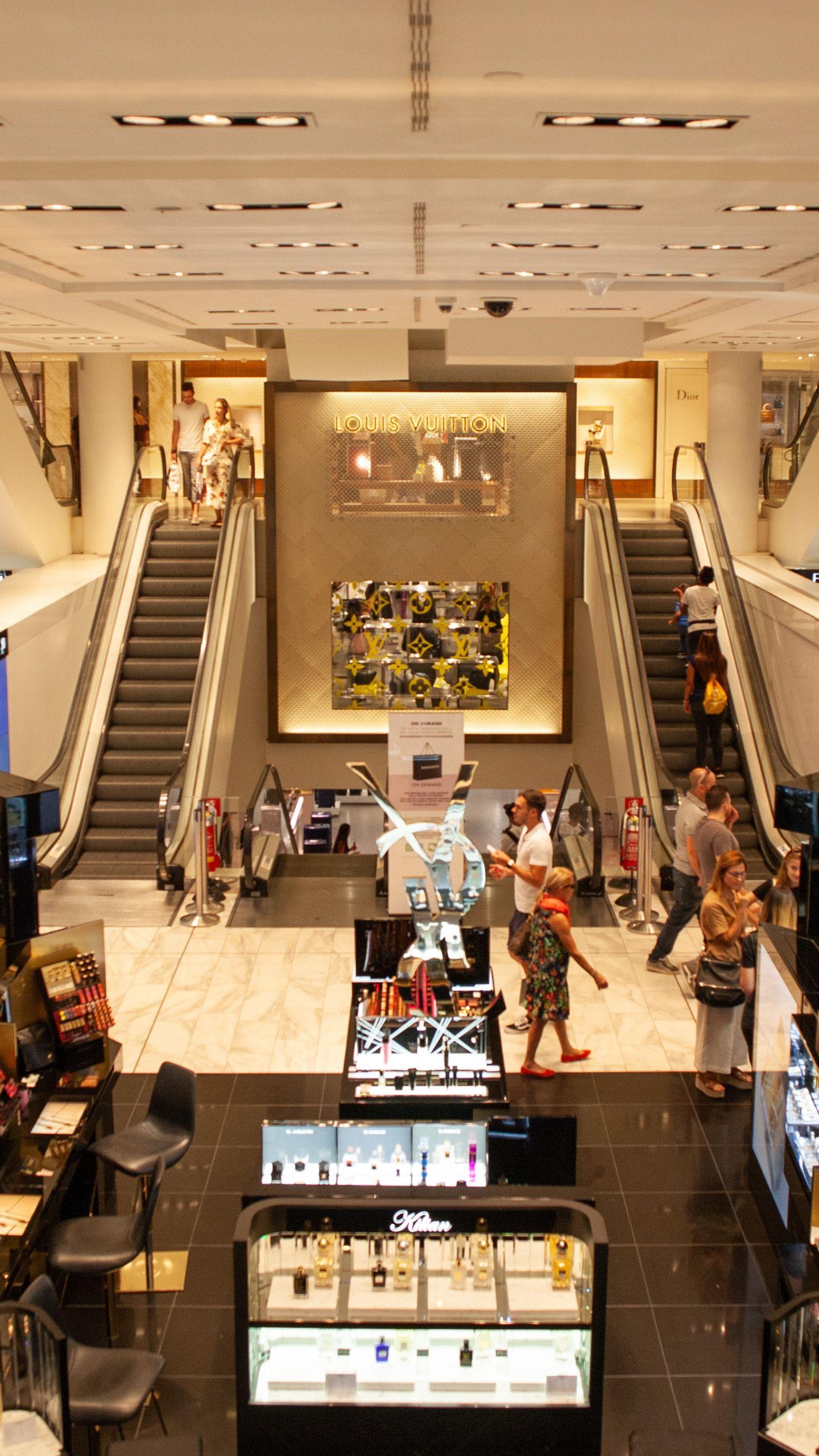
Macy's is undergoing a significant strategic shift, aiming to reposition itself as a luxury retail destination. This initiative, dubbed 'A Bold New Chapter' and announced in 2024, involves closing 150
stores while simultaneously upgrading over 300 others. The company, which also owns upscale brands like Bloomingdale's and Bluemercury, is focusing on elevating its product offerings to include more high-end items such as real leather and designer brands like Ralph Lauren and Coach. This move comes as Macy's has struggled with its 'middle-tier' positioning, being neither a discounter nor a high-end luxury store, a segment that has been 'crushed' over time, according to Michael Prendergast, a retail consultant. The retailer's sales dropped almost 7% in 2023, and its stock value declined to the point of being removed from the S&P 500 index. The company's strategy is to attract new customers willing to pay more for elevated products while retaining its existing customer base by offering a wider range of price points.
Why It's Important?
This strategic pivot by Macy's is important because it reflects a broader trend in the U.S. retail industry, where the middle market is increasingly challenged by online competition, direct-to-consumer brands, and a bifurcated economy. Macy's attempt to 'go up' into the luxury segment signifies a recognition that sustained growth may lie in catering to wealthier consumers who continue to spend, even as the middle class faces economic pressures. If successful, this could provide a blueprint for other legacy department stores struggling to adapt. However, the move also carries significant risks, as Macy's has historically built a reputation as a middle-price retailer, and breaking out of this mold is a 'tough climb,' as noted by Prendergast. The success of this strategy could impact numerous stakeholders, including employees at closing stores, suppliers of both mid-range and luxury goods, and real estate markets affected by store closures and upgrades. The outcome will also offer insights into the resilience and adaptability of traditional brick-and-mortar retail in a rapidly evolving market.
What's Next?
Macy's will continue to implement its 'Bold New Chapter' plan, focusing on the closure of 150 stores and the upgrading of over 300 others. The company will also refine its website and staffing to align with its new luxury vision. Executives have indicated that the strategy is beginning to show results, with the higher-end Bloomingdale's stores driving much of the company's growth and Macy's itself reporting a 9% increase in average selling price in the latest quarter. The company aims to maintain its ability to service customers across various price points while adding elevated products. The coming years will reveal whether Macy's can successfully attract a new luxury clientele without alienating its traditional customer base. Industry observers will be watching to see if the reported sales growth and increased average selling prices are sustainable and indicative of a long-term turnaround.
Beyond the Headlines
The shift by Macy's towards a luxury focus highlights a deeper societal and economic trend in the U.S.: the widening gap between economic classes and its impact on consumer behavior. The 'K-shaped economy,' where wealthier individuals continue to thrive while others struggle, has forced retailers to choose between catering to discount shoppers or high-end consumers. Macy's decision to 'go up' reflects a strategic bet on the continued spending power of the affluent. This move also raises questions about the future of traditional department stores and their role in American consumer culture. As Macy's, a 168-year-old institution, attempts to reinvent itself, it underscores the challenges of maintaining relevance in a dynamic retail environment. The ethical implications of this shift include potential job losses from store closures and the broader impact on communities that rely on these retail anchors. The success or failure of Macy's luxury gamble could influence how other legacy brands approach their own transformations in an increasingly polarized market.