Nvidia Faces Loss of China AI Accelerator Market Due to US Export Controls

What's Happening?
Nvidia has effectively lost its China AI accelerator market as a direct consequence of U.S. export controls that restrict the shipment of advanced GPU technology. These controls have significantly impacted
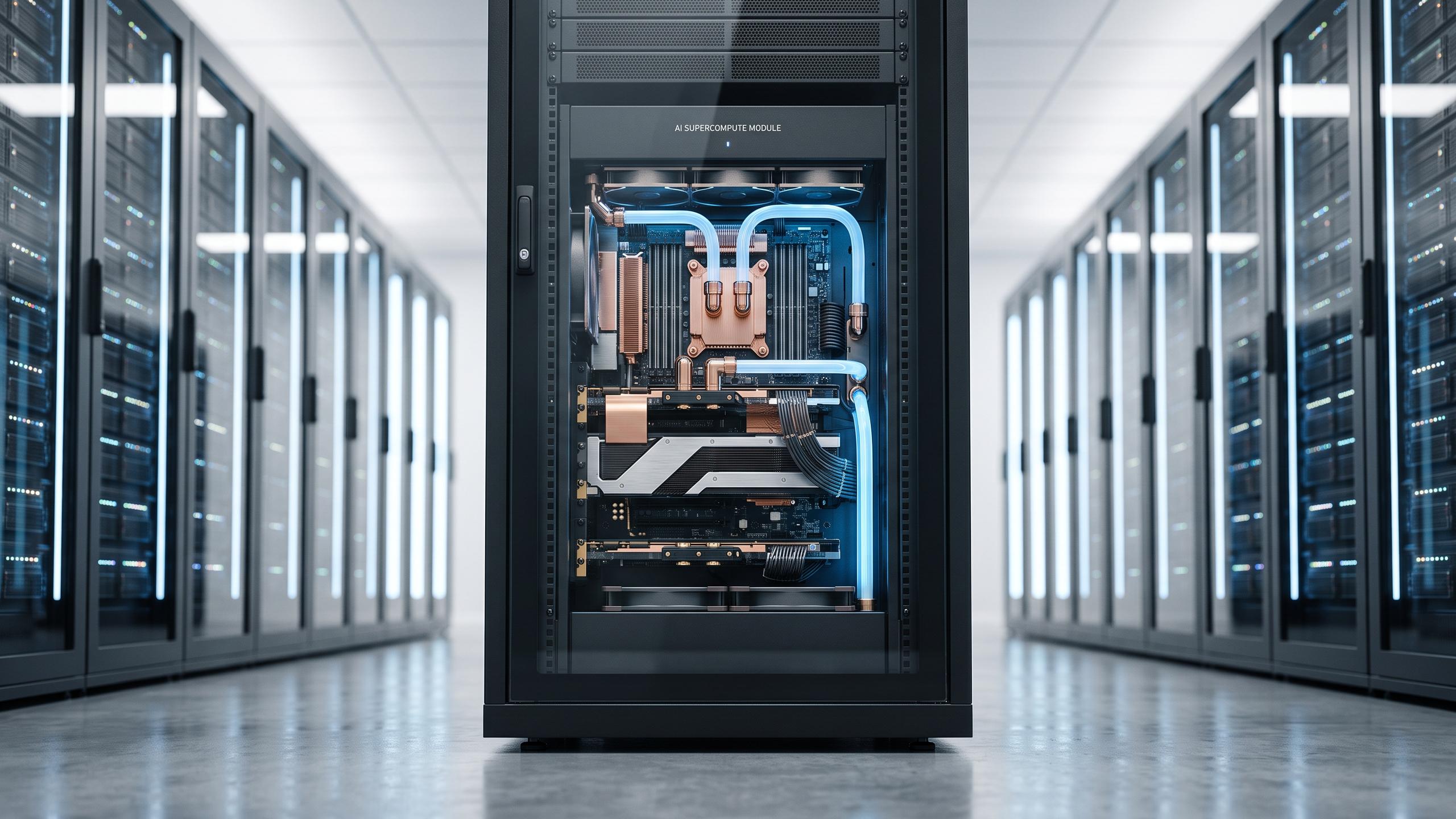
Nvidia's data center segment, which previously considered China a substantial growth area. The company is now shifting its focus to non-China demand, including ACIE customers, neoclouds, and sovereign AI projects, to sustain its multi-year revenue expansion. Specialist financiers are increasingly treating high-end chips, particularly Nvidia GPUs, as core collateral for AI infrastructure projects, indicating a growing trend of GPU-backed financing. Enterprise customers are also deploying liquid-cooled, rack-scale agentic AI factories, often built around Supermicro server platforms.
Why It's Important?
This development is crucial for the U.S. technology sector and the global AI industry. Nvidia's diminished presence in the Chinese market highlights the direct economic impact of U.S. geopolitical strategies on leading American technology companies. While the U.S. aims to curb China's technological advancements, it simultaneously affects the revenue streams and market reach of its own innovators. The shift in Nvidia's strategy underscores the increasing importance of diversified markets and the need for resilience in the face of geopolitical risks. The emergence of GPU-backed financing and agentic AI factories also signals a maturing AI infrastructure market, where high-end chips are viewed as long-lived assets, influencing capital allocation and investment strategies within the AI ecosystem.
What's Next?
Nvidia's future data center revenue will increasingly depend on demand from ACIE customers, neoclouds, and sovereign AI projects outside of China. Investors will closely monitor segment disclosures and partner commentary through 2027 for indicators of shipped capacity and the mix of GPU-backed financing in new deals. The ongoing geopolitical tensions between the U.S. and China will continue to shape the global semiconductor and AI markets, potentially leading to further adjustments in export policies and corporate strategies. The long-term viability of U.S. technology companies in a bifurcated global market will depend on their ability to innovate and adapt to these evolving conditions.
Beyond the Headlines
The loss of Nvidia's China AI accelerator market is more than just a business setback; it represents a significant step in the broader technological decoupling between the U.S. and China. This situation forces a re-evaluation of global supply chains and the interconnectedness of the tech industry. It also raises questions about the long-term implications for innovation, as companies may be compelled to develop distinct product lines or technologies for different geopolitical blocs. The treatment of GPUs as collateral for financing suggests a fundamental shift in how AI infrastructure is valued and funded, moving towards a model where these components are seen as critical, long-term assets, akin to traditional industrial infrastructure. This could lead to new financial instruments and investment models within the AI sector.