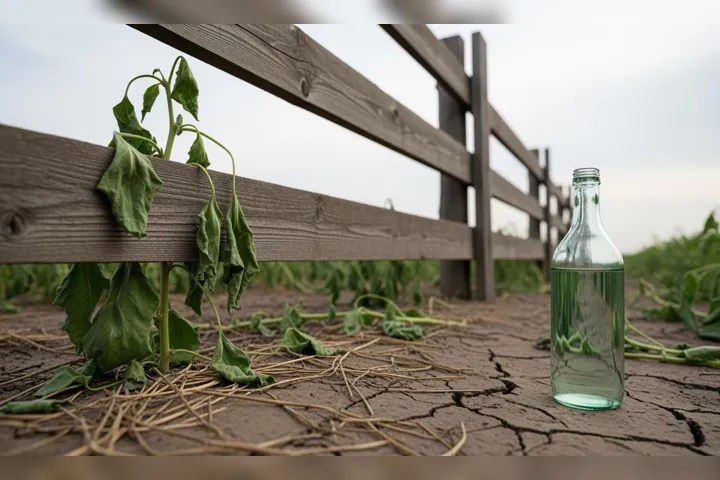
Lebanon Accuses Israel of Spraying Cancer-Linked Herbicide on Southern Farms, Threatening Food Security

What's Happening?
Lebanon has accused Israel of spraying a herbicide linked to cancer on farmland in the south of the country, labeling it a 'health crime' that threatens food security and farmers' livelihoods. President Joseph Aoun condemned the act as an environmental and health crime and a violation of Lebanese sovereignty. The Lebanese ministries of agriculture and the environment reported that laboratory tests confirmed the presence of glyphosate, a chemical classified by the World Health Organization as 'probably carcinogenic to humans.' The concentrations found were reportedly 20 to 30 times higher than normal use. The incident has raised concerns about the impact on agricultural production, soil fertility, and ecological balance in the region.
Why It's Important?
The alleged spraying of glyphosate by Israel has significant implications for Lebanon's agricultural sector, which is already struggling due to past conflicts and economic challenges. The use of such chemicals could further degrade soil quality and reduce agricultural output, exacerbating food insecurity in a region heavily reliant on farming. This incident also highlights ongoing tensions between Lebanon and Israel, with potential diplomatic and legal repercussions. The environmental damage could have long-term effects on biodiversity and the livelihoods of farmers, who are already facing economic hardships.
What's Next?
Lebanon's government has vowed to take all necessary legal and diplomatic measures to address the situation. This could involve seeking international support or intervention to hold Israel accountable for the alleged actions. The incident may also prompt increased scrutiny and monitoring of agricultural practices in the region to prevent further environmental harm. Additionally, there could be calls for international organizations to assess the environmental impact and provide assistance to affected communities.
Beyond the Headlines
The use of glyphosate in conflict zones raises ethical and environmental concerns, as it can have lasting effects on ecosystems and human health. This incident underscores the need for international regulations on the use of chemical agents in military operations. It also highlights the broader issue of environmental warfare and its impact on civilian populations, which could lead to increased advocacy for stronger protections under international law.
AI Generated Content
For the benefit of users - Parts of this article may include content generated using AI tools. Our teams are making active and commercially reasonable efforts to moderate all AI generated content. Our moderation processes are improving however our processes are carried out on a best-effort basis and may not be exhaustive in nature. We encourage our users to consume the content judiciously and rely on their own research for accuracy of facts. We maintain that all AI generated content on our platform is for entertainment purposes only. To know more about how we use AI, you can write to us at
Close AI Generated Content