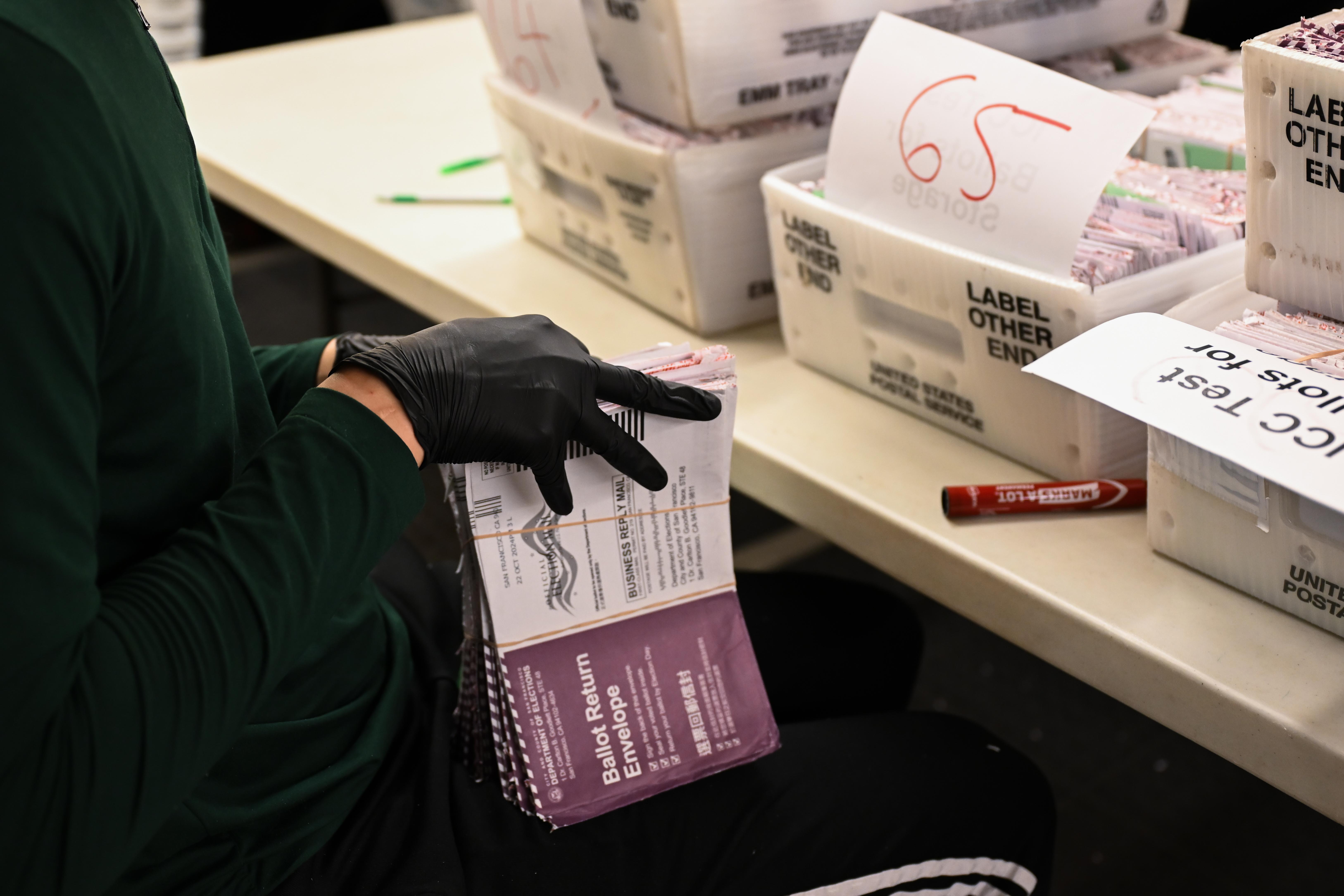
Bay Area Cities See Mixed Results on Rent Control Measures in Early Voting Returns

What's Happening?
Rent control measures on the ballot in three Bay Area cities—San Pablo, Berkeley, and Redwood City—have yielded mixed outcomes in early voting returns. San Pablo and Berkeley are showing positive results
for their respective rent control proposals, while Redwood City's measure appears headed for defeat. In San Pablo, Measure S, which caps rent increases at 3% or 60% of local inflation (whichever is less) and expands protections to mobile home park residents, is leading with over 59% in favor. It also increases relocation costs for no-fault evictions. Berkeley's Measure X, designed to improve its existing ordinance by closing loopholes and setting a 10% annual cap on rent increases, is supported by 67% of voters. Conversely, Redwood City's Measure E, which sought to cap rent increases and provide tenant protections, is facing rejection with 56% opposed. Organizers in these cities pushed for these measures due to rising rent costs, partly attributed to the region's AI boom, while landlord groups argue that rent control does not lower costs and burdens smaller property owners.
Why It's Important?
The varied results of these rent control measures highlight the ongoing tension between tenant protection and property owner concerns in the U.S. housing market, particularly in high-cost areas like the Bay Area. The success of measures in San Pablo and Berkeley indicates a public appetite for stronger tenant protections in some communities, reflecting concerns over housing affordability and stability. If these measures are finalized, they could provide a blueprint for other cities grappling with similar issues, potentially influencing future housing policy debates. Conversely, the likely defeat of Redwood City's Measure E suggests that some communities may be swayed by arguments regarding the financial burden on landlords and the potential for increased administrative costs for cities. The debate also underscores the broader economic impact of technological booms, like the AI industry, on local housing markets, driving up prices and exacerbating affordability challenges for residents.
What's Next?
While early returns are promising for San Pablo and Berkeley, the results remain unofficial for most races in the Bay Area. Organizers in Redwood City, despite the current unfavorable numbers, remain hopeful that Measure E could still pass. If the current trends hold, San Pablo and Berkeley will proceed with implementing their enhanced rent control ordinances, which could lead to more stable housing costs for tenants in those cities. Redwood City, however, would likely continue without the proposed new rent control measures, potentially leaving tenants vulnerable to unchecked rent increases. The outcomes of these local elections will be closely watched by tenant advocacy groups and landlord associations across the state and potentially the nation, as they could inform strategies for future rent control initiatives and legislative efforts aimed at addressing housing affordability.
Beyond the Headlines
The mixed outcomes of these rent control measures reflect a deeper societal debate about the role of government intervention in housing markets and the balance between property rights and social welfare. The argument from landlord groups that rent control burdens 'mom-and-pop' owners and doesn't lower costs points to the complex economic dynamics at play, where rising insurance and maintenance expenses are also factors. The significant administrative costs cited for Redwood City's Measure E, including an estimated $11 million annually for tenant legal services and program administration, highlight the financial implications for local governments. This situation also brings to light the ethical considerations of housing as a right versus a commodity, especially in regions experiencing rapid economic growth and subsequent gentrification. The long-term implications could include shifts in investment patterns in rental housing and ongoing legal challenges from both sides of the debate.