Pakistan Conducts Airstrikes on Taliban Targets in Afghanistan, Declares 'Open War'

What's Happening?
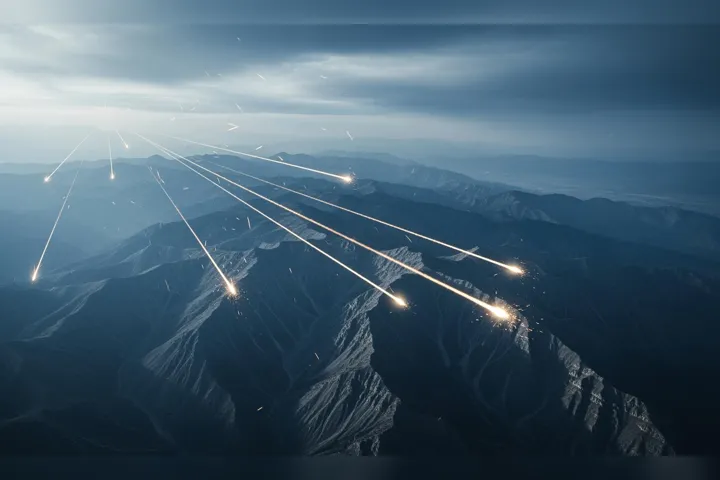
Pakistan has launched airstrikes on Taliban targets in Afghanistan, marking a significant escalation in tensions between the two countries. The strikes targeted Taliban military offices and posts in major Afghan cities, including Kabul, Kandahar, and Paktia. This military action was described by Pakistan's Defense Minister Khawaja Muhammad Asif as an 'open war' against the Taliban regime. The conflict stems from Pakistan's accusations that Afghanistan harbors militants who conduct cross-border attacks. In response, the Taliban launched retaliatory attacks on Pakistani military installations. Both sides have reported heavy casualties, although the figures remain unverified. The strikes have intensified the already strained relations between the two nations, with the potential for a prolonged conflict along their shared border.
Why It's Important?
The escalation of military actions between Pakistan and Afghanistan could have significant implications for regional stability. The conflict threatens to destabilize the already fragile security situation in Afghanistan, potentially leading to increased violence and displacement of civilians. For Pakistan, the conflict could strain its military resources and impact its internal security dynamics. The international community may also be drawn into the conflict, given the strategic importance of the region and the potential for broader geopolitical ramifications. The situation underscores the challenges of addressing cross-border militancy and the complexities of regional politics in South Asia.
What's Next?
The continuation of hostilities between Pakistan and Afghanistan could lead to further military engagements and a deepening of the conflict. Both countries may seek support from international allies, potentially drawing in other regional powers. Diplomatic efforts to de-escalate the situation could be initiated by neighboring countries or international organizations. The humanitarian impact of the conflict may also prompt calls for international aid and intervention to support affected civilians. Monitoring the developments in this conflict will be crucial for understanding its potential impact on regional and global security.
AI Generated Content
For the benefit of users - Parts of this article may include content generated using AI tools. Our teams are making active and commercially reasonable efforts to moderate all AI generated content. Our moderation processes are improving however our processes are carried out on a best-effort basis and may not be exhaustive in nature. We encourage our users to consume the content judiciously and rely on their own research for accuracy of facts. We maintain that all AI generated content on our platform is for entertainment purposes only. To know more about how we use AI, you can write to us at
Close AI Generated Content