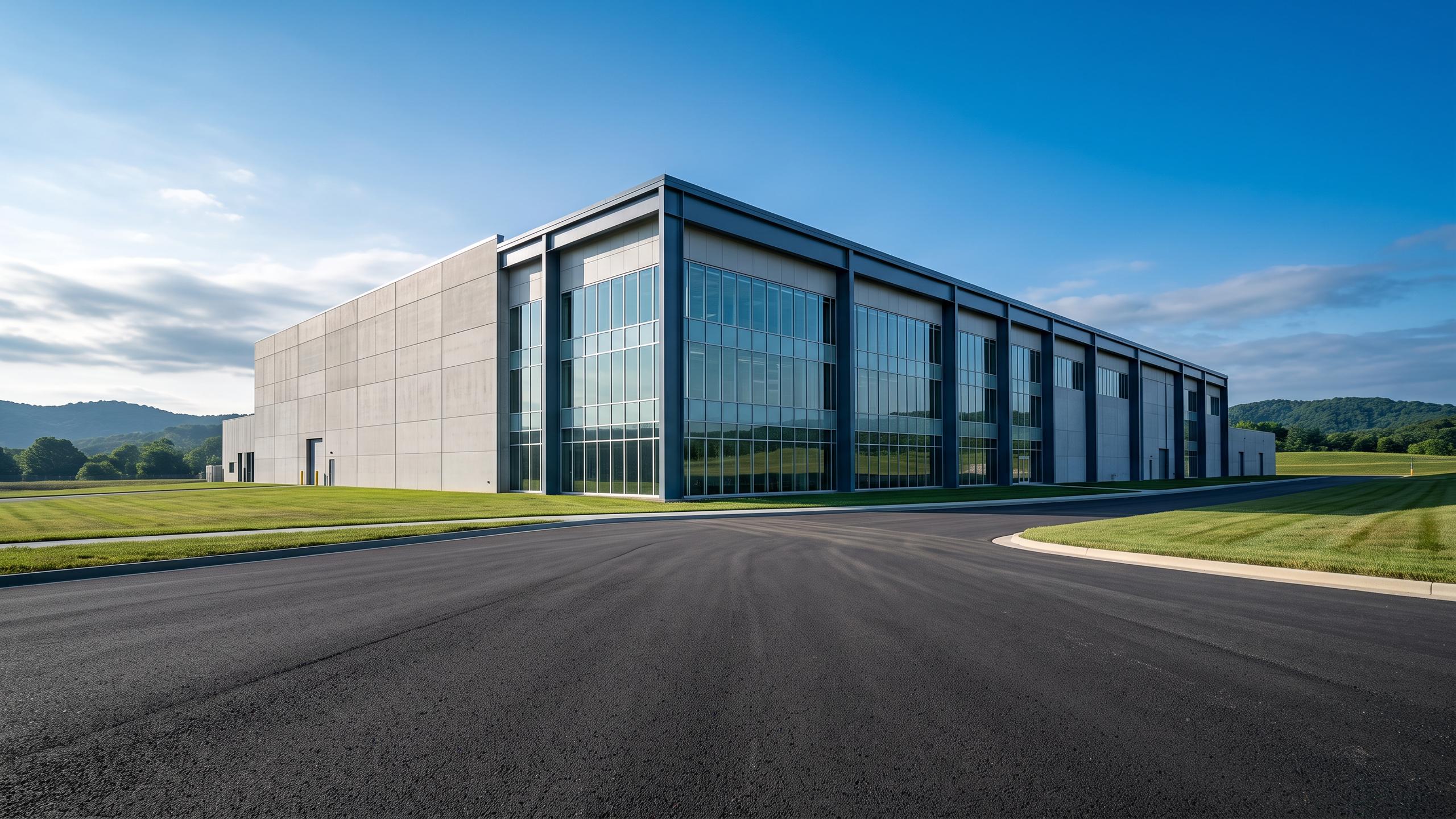
TRISO-X Completes Vertical Construction of Nuclear Fuel Plant in Tennessee, Advancing Advanced Reactor Fuel Production

What's Happening?
TRISO-X, the fuel subsidiary of X-energy, has completed the vertical construction of its TX-1 nuclear fuel plant in Oak Ridge, Tennessee. The 215,000-square-foot facility, which includes the frame, walls,
and roof, is designed to produce uranium spheres, known as pebbles, for advanced nuclear reactors. This milestone marks the transition from external construction to the internal fitting out of utilities and the installation of manufacturing equipment. The plant is expected to produce approximately 700,000 pebbles annually, equivalent to 5 metric tons of uranium, sufficient to fuel up to 11 Xe-100 reactors. The Nuclear Regulatory Commission (NRC) approved a 40-year license for the plant's operation on February 13, covering fuel made with high-assay low-enriched uranium (HALEU), a type of fuel required by most advanced reactor designs. This license was notable as the NRC had not issued a new license of this kind in about 50 years. The project, while slightly behind its initial mid-2026 completion target for this phase, is moving forward with fuel production anticipated to begin in early 2028.
Why It's Important?
The completion of vertical construction for the TX-1 plant is a significant step in bolstering the domestic supply chain for advanced nuclear fuel in the United States. The production of HALEU fuel is crucial for the deployment of next-generation small modular reactors (SMRs) and other advanced reactor designs, which are seen as vital for achieving clean energy goals and enhancing energy security. Currently, the U.S. relies heavily on foreign sources for enriched uranium, making domestic production a strategic imperative. This facility will enable the U.S. to reduce its dependence on external suppliers and support the development of a robust advanced nuclear energy sector. The plant's capacity to fuel multiple reactors underscores its potential impact on future energy infrastructure. Furthermore, the NRC's proactive licensing of the facility, including a planned second plant (TX-2), signals a supportive regulatory environment for advanced nuclear technologies, which could encourage further investment and innovation in the sector. The creation of approximately 500 jobs at the plant also represents an economic benefit for the region.
What's Next?
The next phase for the TX-1 plant involves the installation of interior utilities and the specialized manufacturing equipment required to produce the uranium pebbles. X-energy has not yet specified when the fabrication machines will arrive or the exact timeline for the interior buildout, but the Department of Energy and the company anticipate fuel production to commence in early 2028. The initial batches of fuel are earmarked for X-energy's Xe-100 units planned for Dow's Seadrift chemical site in Texas, a project that is still undergoing federal safety review. This indicates that the fuel production facility is progressing ahead of the reactors it is intended to supply. Additionally, Tennessee has provided an $11 million grant to support the campus's expansion, including the development of the second plant, TX-2, and a research laboratory. This suggests continued investment and growth in the advanced nuclear sector in the region, with further construction and operational milestones expected in the coming years.
Beyond the Headlines
The development of the TX-1 plant highlights a broader strategic shift in the U.S. energy landscape towards advanced nuclear technologies. The emphasis on HALEU fuel production addresses a critical bottleneck for the widespread adoption of SMRs, which offer enhanced safety features, smaller footprints, and greater flexibility compared to traditional large-scale reactors. The unique 'gumball machine' loading system for the Xe-100 reactors, where fresh pebbles are added and spent ones removed continuously, represents an innovative approach to reactor operation and fuel management. This continuous fueling process could lead to higher efficiency and reduced downtime. The project also underscores the complex interplay between technological innovation, regulatory frameworks, and economic incentives in the nuclear industry. The long-term success of such initiatives will depend not only on technical execution but also on public acceptance, robust waste management solutions, and sustained government support to ensure the safe and efficient deployment of these advanced nuclear energy systems.