Beijing Faces Surging Emissions of Potent Greenhouse Gas SF6 Amidst AI Boom

What's Happening?
New research indicates that while concentrations of other climate pollutants in the Beijing region of northern China have stabilized or decreased, emissions of sulfur hexafluoride (SF6), the world's most
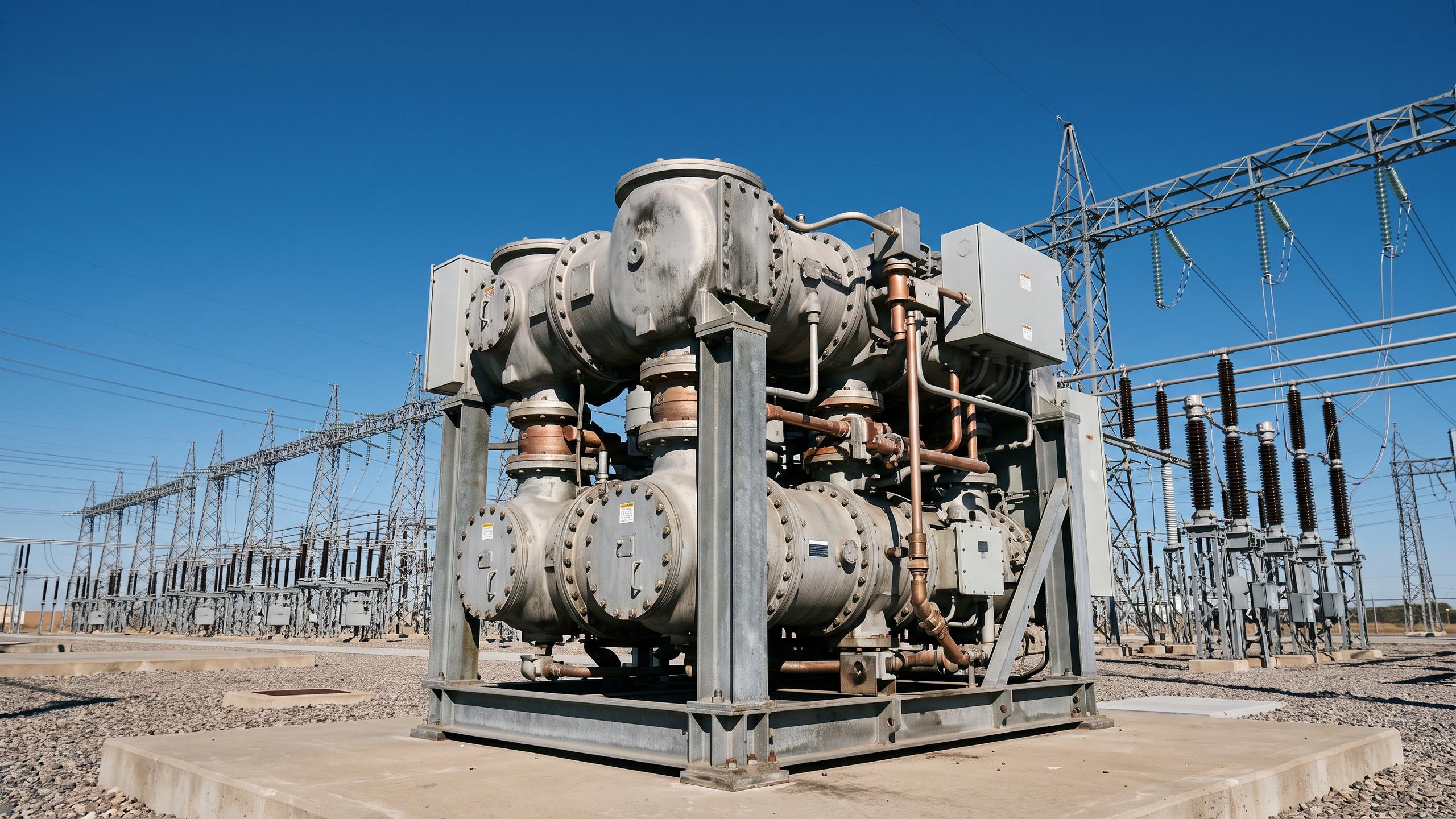
potent greenhouse gas, are rapidly increasing. SF6 is 24,300 times more effective at warming the atmosphere than carbon dioxide. The study, published in Environmental Science & Technology by researchers at the Chinese Academy of Sciences’ Institute of Atmospheric Physics, examined greenhouse gas concentrations in the region from 1993 to 2024. It found that the surging electricity demand and the explosive growth of semiconductor manufacturing, driven by the AI boom, are key contributors to this rise. China currently accounts for over half of global SF6 releases, with its state-owned electric power companies recycling only about 30 percent of the gas they discard annually. While local policies since 2008 have led to a decrease in carbon dioxide concentrations and slowed the growth of methane and nitrous oxide, SF6 emissions continue to accelerate. The electric power sector is China’s primary national source of SF6, but semiconductor manufacturing has become the leading local source in Beijing.
Why It's Important?
The escalating SF6 emissions in Beijing present a significant challenge to global climate change mitigation efforts, particularly given the gas's extreme potency. China's rapid industrial expansion, especially in high-tech sectors like semiconductor manufacturing, is creating a new front in the battle against greenhouse gases. The findings highlight a critical blind spot in current decarbonization policies, as measures effective against other pollutants are failing to curb SF6. The global nature of climate change means that emissions from any major industrial hub have far-reaching consequences. The reliance on SF6 in essential industries like power generation and semiconductor production underscores the difficulty of transitioning to more environmentally friendly alternatives without disrupting economic growth. This situation could prompt international discussions on regulating SF6 emissions more stringently, especially as the AI industry continues its global expansion, potentially increasing demand for semiconductors and, consequently, SF6.
What's Next?
The research findings have already prompted action, with the Beijing Municipal Committee of the Chinese People’s Political Consultative Conference adopting a policy report titled “Beware of Sulfur Hexafluoride Emissions Behind AI Industry Development.” This indicates a recognition of the problem at a governmental advisory level. Future steps are likely to involve targeted SF6 emission control measures within the power and semiconductor sectors. Options for the semiconductor industry include optimizing production processes, exploring alternative fluorine sources, and implementing technologies to destroy waste gas. The U.S. Environmental Protection Agency previously partnered with manufacturers to reduce fluorinated greenhouse gas emissions, suggesting a potential model for international collaboration or domestic policy development. However, the Environmental Investigation Agency US notes that current measures are not effectively bending the SF6 curve, indicating that more robust and comprehensive strategies will be required to address this growing climate challenge, especially as the AI industry continues to expand globally.