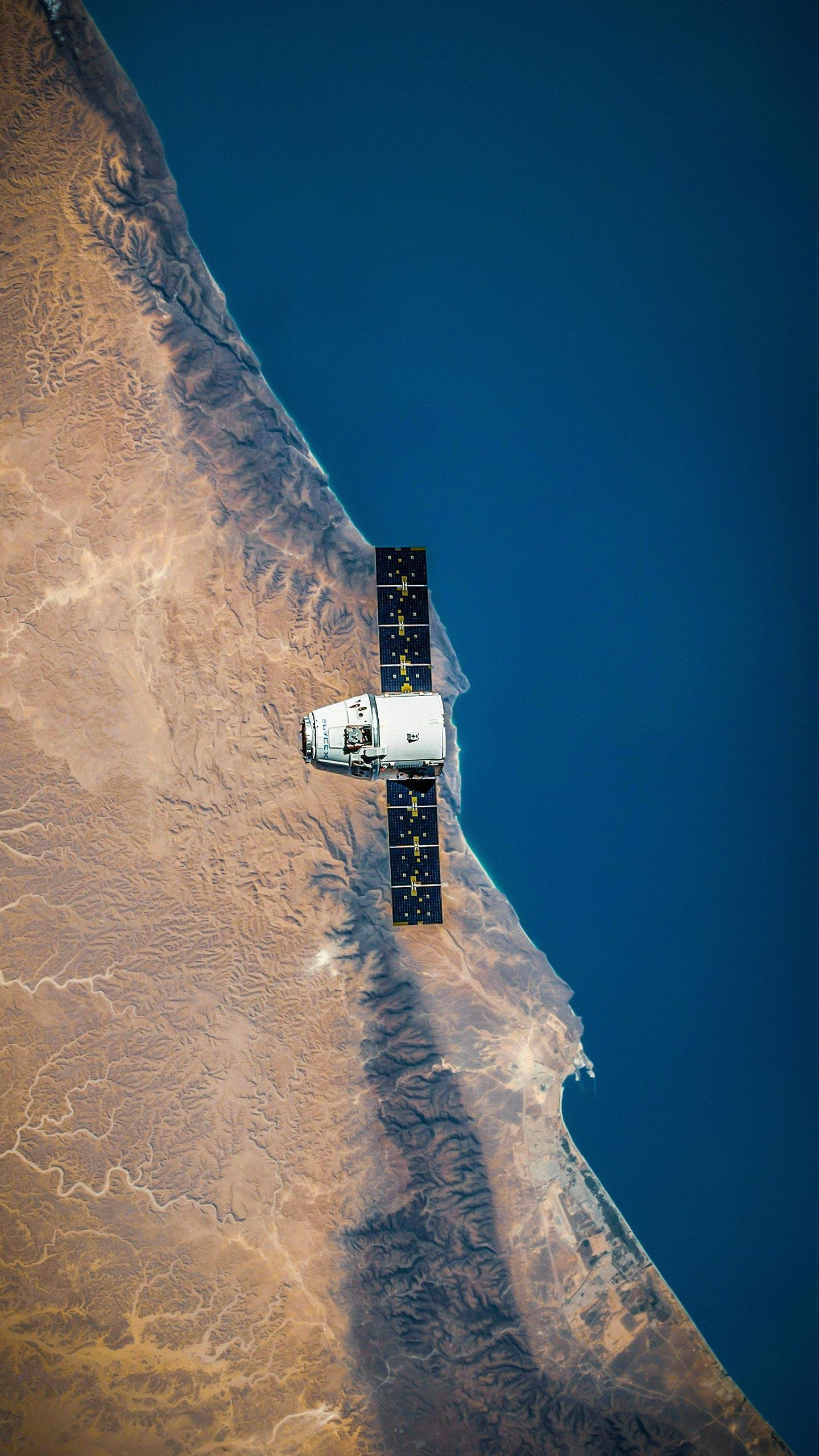
SpaceX Plans to Compete with Major U.S. Carriers Using Hybrid Network

What's Happening?
SpaceX has announced its intention to enter the U.S. wireless market by developing a hybrid network that combines Starlink satellites with small ground-based cells. This initiative aims to provide coverage
in areas where traditional carriers like Verizon, AT&T, and T-Mobile have struggled, particularly in rural and remote regions. During its first earnings call as a public company, SpaceX outlined its strategy to use small cells mounted on existing Starlink broadband dishes to enhance connectivity. The company plans to leverage its existing satellite infrastructure to offer a service that could potentially surpass current cellular providers in terms of coverage and bandwidth. SpaceX President Gwynne Shotwell expressed confidence in the service's potential, citing the acquisition of 65 megahertz of spectrum from EchoStar as a key component of their terrestrial plan.
Why It's Important?
The entry of SpaceX into the wireless market could significantly disrupt the current landscape dominated by Verizon, AT&T, and T-Mobile. By addressing coverage gaps in rural and remote areas, SpaceX could attract customers who have been underserved by traditional carriers. This move could also pressure existing providers to improve their services and expand their coverage. Additionally, SpaceX's approach of using small cells and satellite backhaul could set a new standard for network deployment, potentially reducing infrastructure costs and accelerating the rollout of advanced connectivity solutions. The competition could lead to better pricing and service options for consumers, particularly in areas that have historically lacked reliable coverage.
What's Next?
SpaceX plans to launch next-generation Starlink Mobile V2 satellites in 2027, which are expected to enhance the capacity and performance of their network. The company will need to address several challenges, including expanding its spectrum holdings and developing customer-facing infrastructure such as billing systems and customer service operations. The success of SpaceX's plan will depend on its ability to scale its network and compete with established carriers on speed, reliability, and pricing. The upcoming satellite launches and the first consumer pricing announcements will be critical milestones in determining the viability of SpaceX's entry into the wireless market.